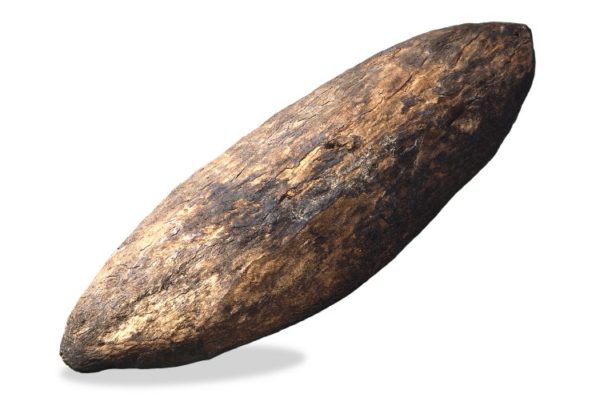
In late June 2019, Tristram Hunt wrote a piece for The Guardian: ‘Should museums return their colonial artefacts?’
Here I want to focus specifically on museum documentation, viewed through the lens of what is perhaps Hunt’s most problematic statement: “For a museum like the V&A, to decolonise is to decontextualise.” Any examination of museum artefacts online quickly reveals that, when it comes to metadata, missing context is a significant issue, and the concept of decolonisation a valuable part of the solution.
In March 2018 I stepped away from Context Junky to focus on other commitments. But now that I’ve finished my PhD, found a job, and moved to Canberra it’s time to get things moving again with a new look, and new content coming soon! As I prepare a schedule for the coming months, if there are any topics you want me to write about please let me know either in the comments below, or on Twitter @MikeJonesPhD.

“A thin veneer of immediate reality is spread over nature and artificial matter, and whoever wishes to remain in the now, with the now, on the now, should please not break its tension film. Otherwise the inexperienced miracle-worker will find himself no longer walking on water but descending upright among staring fish” (Vladimir Nabokov, 1972).
In his short novel Transparent Things (1972) Nabokov suggests that, unless we are careful, we sink into the history of things. Remaining fully in the present is difficult; it takes effort not to slip into reflection, memories, and the past. But in the museums and collections space things can often prove more resistant.
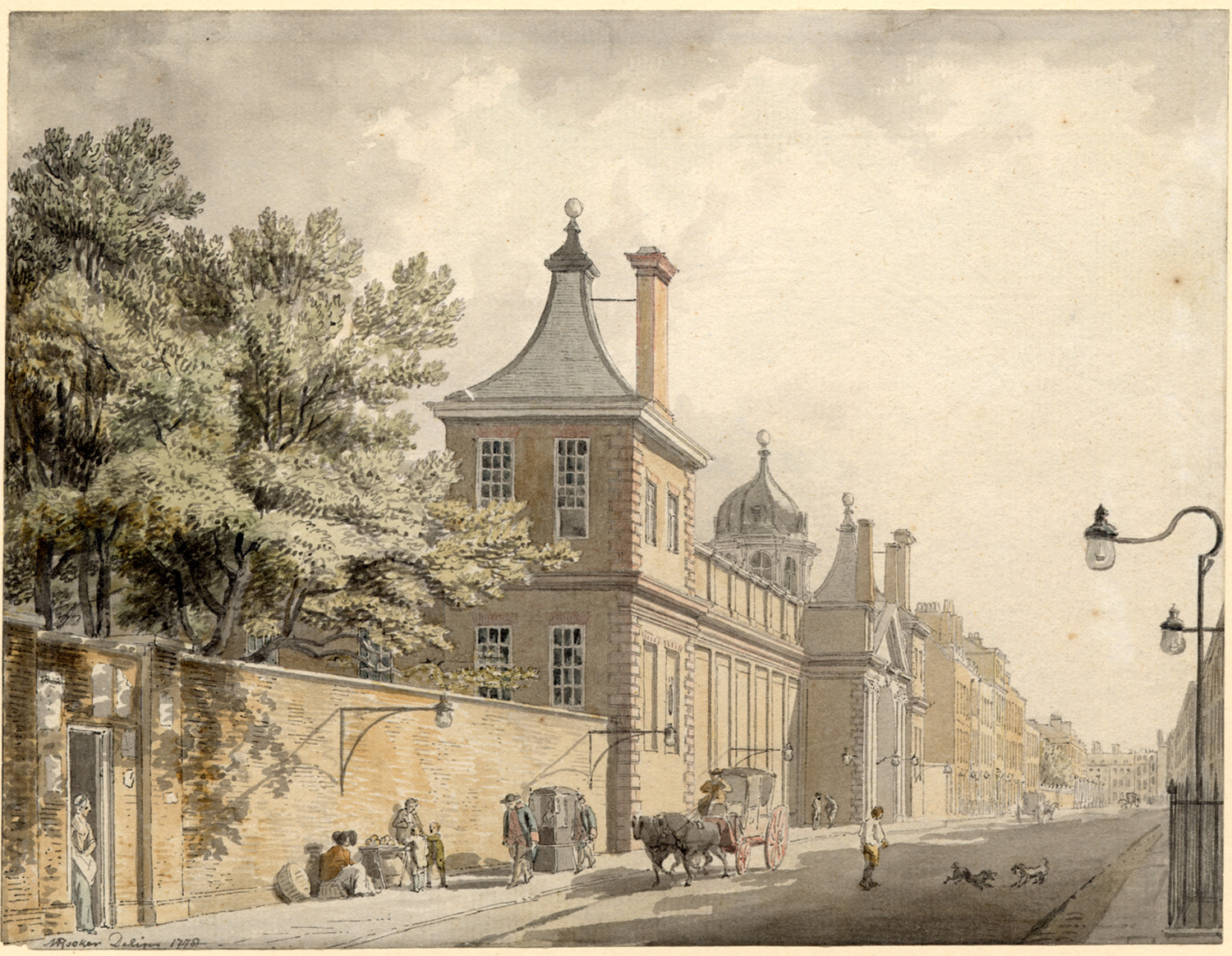
For as long as there have been museums some have been concerned by the lack of information available to the public. In 1784, William Hutton was aggrieved when he found the British Museum showed objects with no context, and little more than their names attached. This piece, based on a presentation given to the 2017 National Digital Forum in Wellington, NZ, argues that we need to work toward an expanded view of collection description and documentation, one which encompasses rich connectivity, relationality, and the complex structures required to represent contemporary understandings of collections-based knowledge.
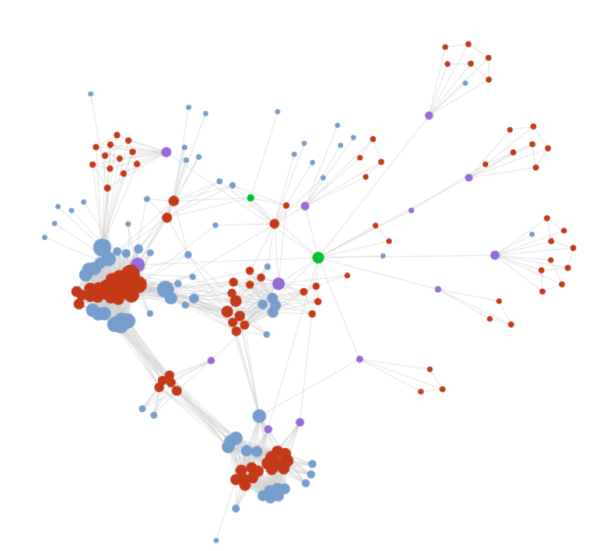
This long read (c2700 words) is a version of the paper I gave at the CIDOC2017 Conference in Tbilisi, Georgia, on 26 September 2017.
Collections in large museums and archives are not uniformly documented. Museums Victoria (MV), in Melbourne, Australia, holds around 17 million items, including natural history specimens, history and technology artefacts, and Indigenous cultures, as well as archives and a library. Parts of the collections are rarely seen, let alone used. Documentation for some of these lesser items has changed little since the days of catalogue cards, the same data simply migrated from system to system for decades without being edited or updated.
This paper was presented on my behalf by Tom Norcliffe on 27 September 2017, at the Australian Society of Archivists’ conference ‘Diverse Worlds,’ 25-28 September, Melbourne, Australia.
The origins of this paper can be traced back to September 2016, with the release of a draft document by the International Council on Archive’s Expert Group on Archival Description (or EGAD) titled ‘Records in Contexts – A Conceptual Model for Archival Description’ – RiC for short. My purpose is not so much to critique or challenge that document, as to use it as the starting point for a broader discussion.
When considering the power of the archive, the term ‘power’ can have numerous meanings: political power; the power to change or affect a situation; emotive or affective power; or even potential, unrealised power. On the latter, there may be a document (or documents) in an archive with the potential to bring down a government. If this hasn’t happened yet, does that record have power?
Sometimes blogging is hard, particularly when juggling a full-time PhD, paid (and unpaid) work, and voluntary positions on associations. Often Context Junky ends up at the bottom of the list, which is a shame because it means I miss out on contributing to things like New Cardigan’s GLAM Blog Club. The topic for July was identity. I wanted to write this post given some of the current debates happening in Australia, so I’m joining in a few weeks late. (As June’s theme was fear, maybe it’s just FOMO.)
On Saturday, 10 June 2017, I was invited to give the keynote at Oral History Victoria’s symposium ‘Oral history in a digital age’. This post is an edited version of that talk.
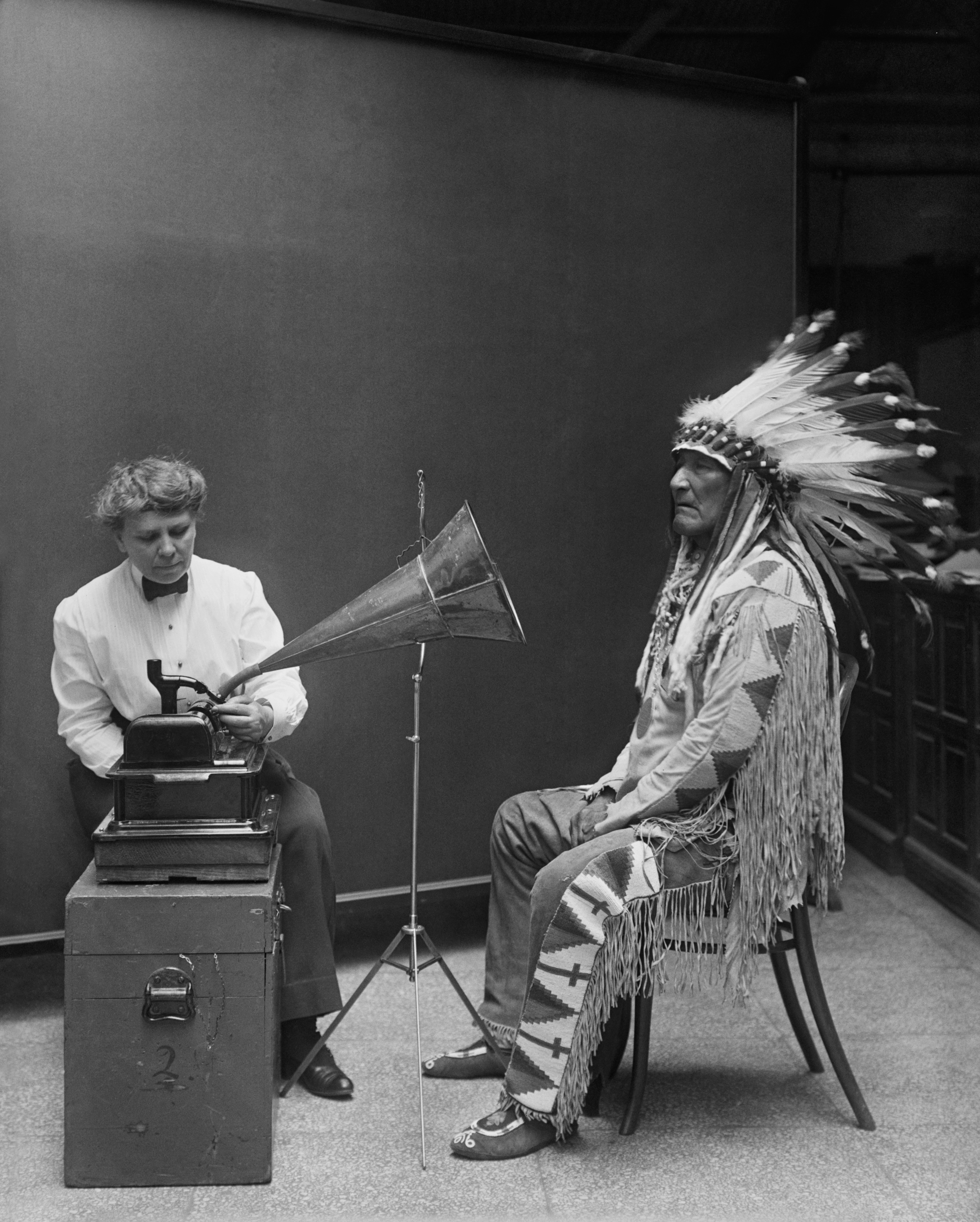
A little over a hundred years ago, the ethnographer and anthropologist Frances Densmore sat down with the Blackfoot chief, Mountain Chief. She was capturing Native American music and culture using a phonograph, a device already around 40 years old when this photograph was taken.
© 2026 Context Junky — Powered by WordPress
Theme by Anders Noren — Up ↑